Revamp Your Attic: The Way Rooflights Can Boost Value and Brightness
Converting an attic with rooflights provides an opportunity to boost both light and space. The inclusion of these features not only enhances the environment but also adds considerable value to a property. As natural light enhances mood and energy efficiency, it becomes evident that rooflights can revitalize underutilized areas. Yet, the choice of rooflight and design can be essential. What aspects should one consider when starting this project?
The Benefits of Choosing Rooflights for Your Attic Transformation
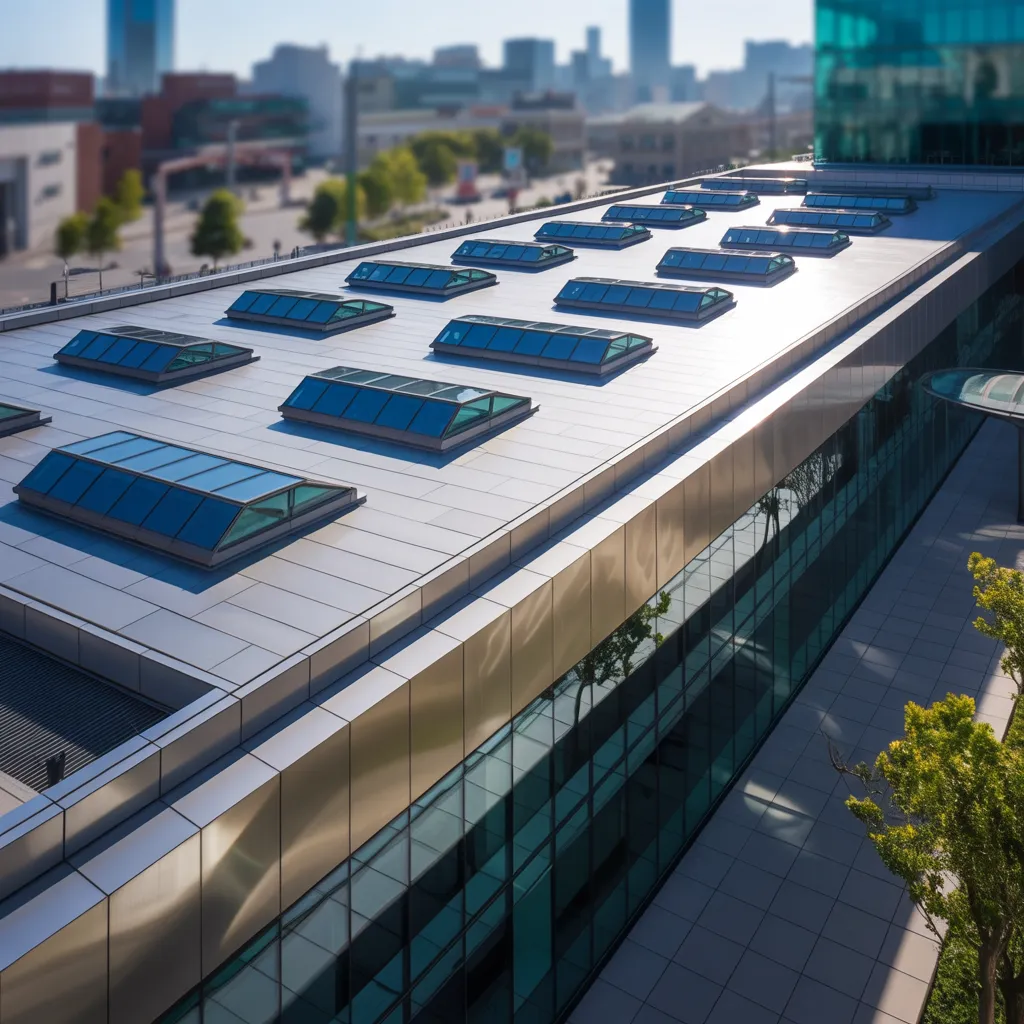
What makes rooflights ideal for an attic conversion? Rooflights serve as a pivotal feature in converting an underutilized attic space into a vibrant, functional area. They greatly enhance natural light, creating an open, airy atmosphere that can dramatically improve the overall aesthetic and ambiance. This influx of daylight not only uplifts the mood but also helps in reducing reliance on artificial lighting, promoting energy efficiency.
In addition, rooflights can increase a property's appeal. Potential buyers often seek homes with well-lit spaces, making an attic conversion more appealing. The thoughtful placement of rooflights can also offer breathtaking views of the sky, adding a special charm to the attic.
Additionally, rooflights support ventilation, optimizing air circulation and sustaining a comfortable environment. To summarize, including rooflights into an attic renovation is a smart choice that combines aesthetic appeal, sustainable energy use, and greater property appeal.
Various Types of Rooflights: How to Choose the Right One?
Selecting the right type of rooflight can greatly affect the overall outcome of an attic conversion. Various options are on offer, each providing distinct benefits. Fixed rooflights are popular for their ease of use and effectiveness in illuminating spaces, while opening rooflights deliver ventilation in addition to natural light, enhancing air quality. For those seeking a modern touch, skylights come in a wide range of designs and materials, allowing customization to match the attic's aesthetic.
Dome-style rooflights, frequently found on level rooftops, are excellent at maximizing the amount of light received and can be installed in multiple configurations. Moreover, tube rooflights are ideal for tight spaces, guiding daylight through reflective tubes. When choosing a rooflight, aspects such as size, orientation, and the attic's layout are important. At the end of the day, the right choice not only boosts the space's brightness but also supports its overall practicality and visual appeal.
How Natural Light Impacts Well-Being
Natural light serves a vital role in enhancing overall well-being. Natural light exposure has been associated with improved mood and increased energy levels. Studies show that natural light can greatly affect mental health, reducing symptoms of anxiety and depression. By filling spaces with natural sunlight, individuals often experience a boost in serotonin production, which fosters feelings of joy and calmness.
Moreover, natural light assists with the regulation of circadian rhythms, facilitating healthier sleep cycles. This biological alignment nurtures a perception of balance and rejuvenation, which is essential for overall health. In spaces such as attics, adding rooflights can enhance sunlight penetration, establishing a more welcoming and calming atmosphere. The cognitive benefits of natural light extend beyond mere aesthetics, affecting both productivity and creative thinking. As a result, enhancing living spaces with rooflights can positively influence one's emotional and physical well-being.
The Ways Rooflights Increase Your Property Value
Installing rooflights in an attic converts the area into a bright, airy sanctuary that can considerably enhance a home's value. By letting natural light stream through, rooflights enhance the overall appeal of a home, making it more appealing to prospective buyers. This feature not only develops a more appealing ambiance but also key information highlights the practical space that an attic can offer.
Property buyers commonly search for residences with standout qualities that differentiate themselves from the competition. Rooflights can serve as a focal point, highlighting the property's architectural style and increasing aesthetic value. Moreover, well-lit spaces tend to feel larger, thereby enhancing the perceived square footage of the property.
Furthermore, energy performance can be enhanced through the incorporation of contemporary rooflight solutions, which often resonate with eco-friendly homeowners. In the end, the installation of rooflights reimagines an underused section into a desirable living space, adding significantly to the property's commercial appeal and long-term value.
Innovative Design Concepts for Your Attic Area
When considering unique design approaches for an attic area, unique lighting solutions can greatly transform the overall feel. Furthermore, redesigning the area as multipurpose zones enables increased functionality, serving diverse purposes. An inviting reading corner can serve as an ideal escape, combining elegance with relaxation.
Exceptional Lighting Solutions
How can innovative lighting transform an attic into a welcoming retreat? Through incorporating distinctive lighting options, residents can substantially elevate the mood and practicality of their attic environments. Carefully positioning LED strip lights along beams or shelving can produce a gentle, welcoming illumination, as pendant fixtures can function as impressive visual anchors. Skylights not only bring in daylight but also give rooms a more expansive and airy feel. Installing adjustable dimmer fixtures enables flexible illumination, enabling users to adjust the mood according to the time of day or occasion. Moreover, placing decorative fixtures or wall sconces can infuse individuality, turning the attic into a snug hideaway. In the end, deliberate lighting planning enhances both the visual charm and functionality of the attic.
Multi-Purpose Spaces
Creative lighting designs go beyond enhancing the aesthetic of an attic but also set the stage for imaginative design possibilities. Using the appropriate rooflights, attics are able to become flexible living spaces that address diverse requirements. As an example, a bright and open space can serve as a dedicated work area throughout the working day, while subtle, adaptable illumination can establish a cozy leisure space as the night sets in. Incorporating adaptable furnishings allows for easy reconfiguration, catering to everything from yoga sessions to family game nights. Through harmonizing functionality with aesthetics, a carefully crafted attic area can maximize utility without compromising style. As a result, the possibilities for transformation know no bounds but creativity, establishing attics as highly sought-after spaces in modern living.
Comfortable Reading Corners
Designing a inviting reading space in an attic can transform an neglected space into a peaceful sanctuary, perfect for leaving behind the stress of everyday life. Carefully installed rooflights can illuminate the nook with natural light, amplifying its warm atmosphere. Outfitting the nook with a relaxing cushioned seat or recliner, fluffy pillows, and a cozy blanket establishes an optimal spot for leisure. Adding bookshelves, be they fitted or portable, allows for easy access to a carefully selected selection of reading materials. Introducing personal touches, such as artwork or decorative lighting, greatly improves the retreat's appeal. This well-planned design not only transforms the room's attractiveness but also increases the property's overall worth, making it a smart decision.
Key Installation Tips for a Successful Rooflight Project
When planning a rooflight fitting, choosing the right location is crucial for maximizing natural light and improving the room's ambiance. Hiring skilled professionals guarantees that the project is executed with precision and care. Furthermore, proper insulation is important to preserve energy efficiency and comfort in the upgraded loft space.
Choose The Right Location
Choosing the correct position for a rooflight is essential to optimising both sunlight and visual impact in an attic conversion. For best results, rooflights should be installed to take advantage of the most sunlight throughout the day, typically on the south-facing side of the roof. This placement not only boosts illumination but also decreases reliance on artificial lighting. Additionally, accounting for the existing roof structure and potential obstructions, such as chimneys or trees, is essential. Rooflights should be installed in areas that match the intended use of the space, whether for a living area. This careful positioning provides a balance between functionality and aesthetic appeal, ultimately elevating the overall feel of the attic.
Employ Skilled Experts
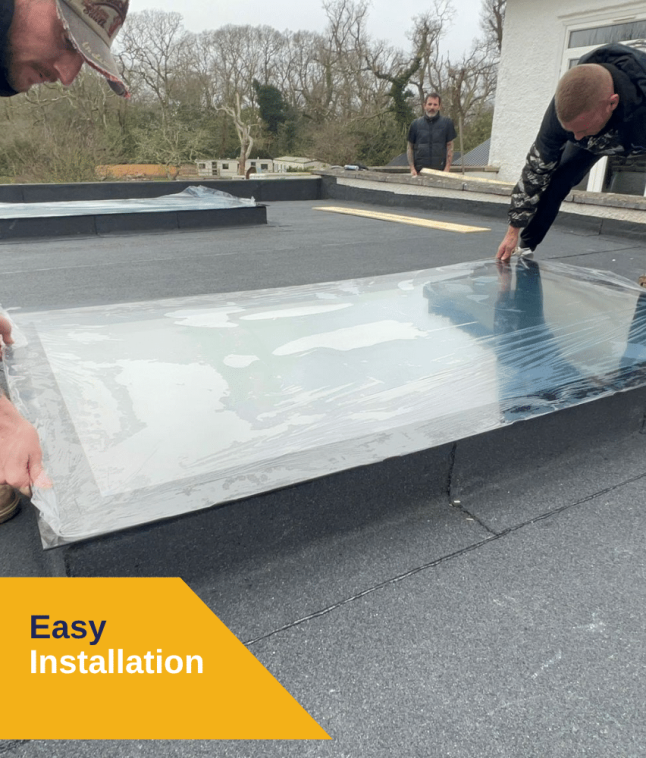
Engaging qualified installers is essential for a seamless rooflight installation. Their skill confirms that the project adheres to local building standards and safety requirements. Professional installers can accurately assess the structural integrity of the roof, recognising potential issues that may arise during installation. They carry the appropriate tools and practices to reduce disruption to the current space while achieving a flawless finish. In addition, skilled professionals can offer valuable recommendations into suitable placements and design choices, elevating both aesthetics and functionality. It is wise to seek recommendations and assess previous work to ensure the selected crew has a strong track record. Overall, working with qualified professionals not only protects the installation process but also plays a major role to the rooflight's long-term efficiency and reliability.
Guarantee Sufficient Insulation
Proper insulation is crucial for maximizing energy efficiency in a rooflight installation. It reduces heat loss throughout the winter months and limits heat gain during warmer periods. Homeowners should first assess the existing insulation in the attic, confirming it satisfies the recommended R-values for their location. Investing in premium insulation materials can significantly improve results. At the time of installation, it is important to address any gaps or leaks around the rooflight, as they can undermine the performance of the insulation. Additionally, considering reflective insulation materials can help in managing temperature variations. Adequate ventilation must not be neglected, as it contributes to preserving a consistent living environment. By focusing on insulation, homeowners can benefit from a pleasant living area while enhancing the value their rooflight provides.
Questions We Often Receive
What Are the Energy Efficiency Benefits of Rooflights?
Roof lights improve energy savings by harnessing daylight, decreasing dependence on electric lighting. They support ventilation, aiding in managing indoor temperature, and often result in decreased energy bills, promoting sustainable living while improving general comfort levels.
Do Rooflights Demand Special Maintenance?
Rooflights typically demand very little maintenance, typically involving regular cleaning and checks for leaks. Maintaining adequate sealing and tackling any concerns without delay can enhance their longevity and performance, supporting energy efficiency and visual appeal.
Can Rooflights Help Reduce Heating Costs?
Rooflights can certainly assist in lowering heating costs by enabling natural sunlight to warm rooms during daylight hours. This increased sunlight can decrease reliance on artificial heating, resulting in possible energy savings in the long run.
Are Rooflights Suitable for All Types of Roofs?
Rooflights are not appropriate for every type of roof. Their effectiveness depends on factors such as roof pitch, material, and structural integrity, demanding careful planning and professional consultation for the best possible installation outcomes.
What Building Regulations Govern the Installation of Rooflights?
Building codes for installing rooflights commonly cover requirements relating to structural integrity, fire safety, and energy efficiency. Regulatory bodies may require formal planning consent, confirming conformity with guidelines that secure the structure and its inhabitants.